There is something unforgettable about cooking at sea. The movement of the boat, the salty air, and the open horizon turn even a simple meal into a small ritual. For chefs who spend their lives on the water, cooking is not just about preparing food—it is about adapting to nature, respecting freshness, and making the most of a compact kitchen.
The sea as a natural pantry
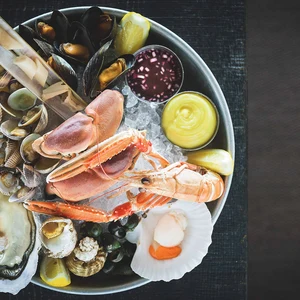
For sea-based chefs, freshness is not a luxury. It is part of daily life. Fish, shellfish, and simple coastal ingredients often reach the plate far faster than they ever could on land.
- Fish such as tuna, mackerel, and sea bream can go from catch to plate in under an hour
- Shellfish like mussels and clams may be gathered close to the shore in suitable coastal areas
- Seaweed, used in many maritime cuisines, adds natural iodine, calcium, and umami depth
This is why seafood prepared at sea often tastes cleaner, sweeter, and more alive than the same dish served later inland. The ingredient has less time to lose character, texture, and aroma.
Cooking in motion changes everything
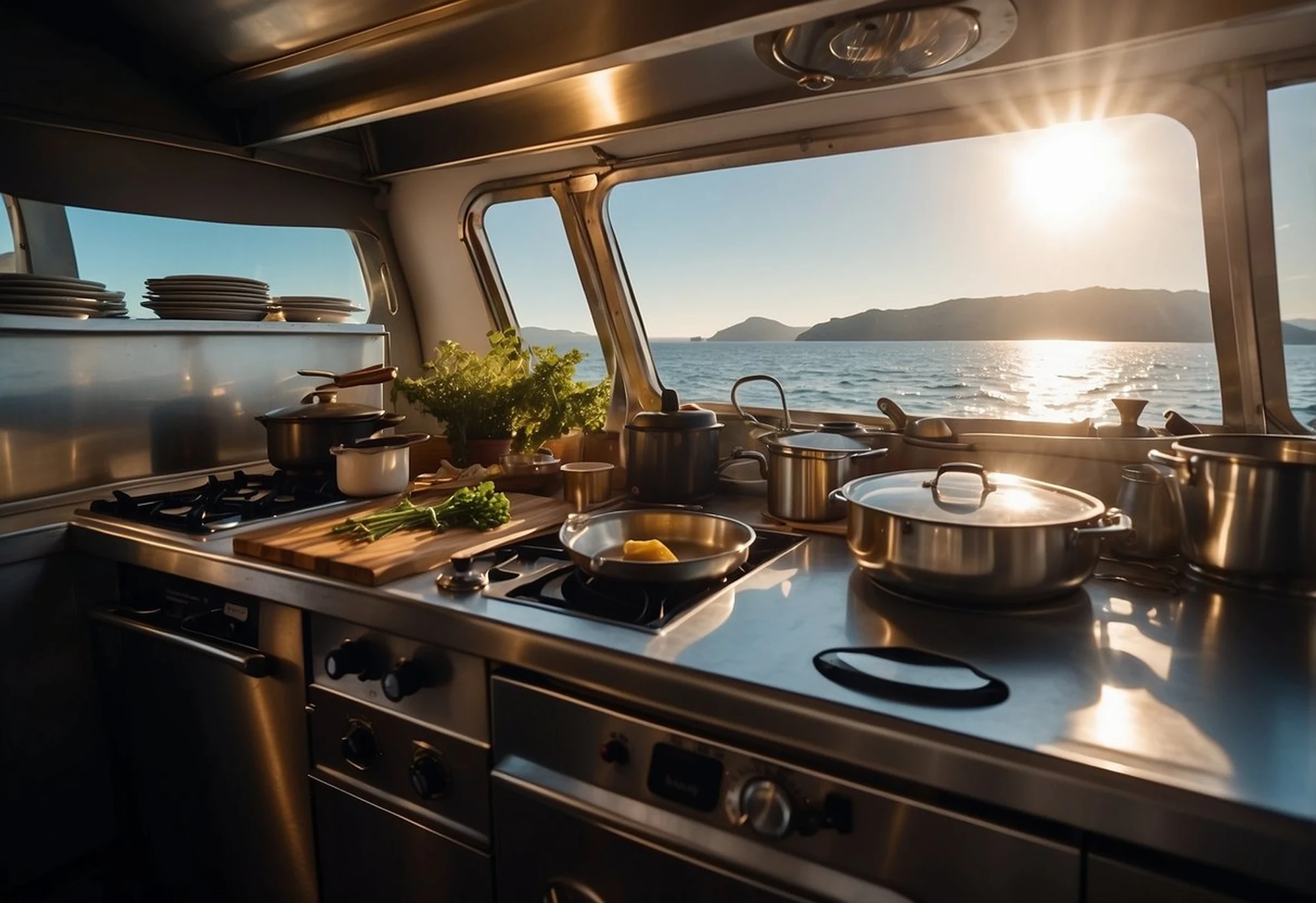
A yacht kitchen teaches discipline very quickly. A moving floor changes timing, balance, and technique. Tasks that seem easy on land—cutting, stirring, frying, baking—require more attention when the sea is never fully still.
- Low and stable heat is safer and more controllable
- Wide, heavy-bottomed pans reduce spills and improve balance
- Ingredients are often prepped in advance to avoid risky knife work in rougher conditions
- Organisation matters more because storage and working space are limited
Many sea chefs say a galley feels closer to a small laboratory than a home kitchen. You work carefully, you waste nothing, and every movement has a reason.
Salt, wind, and the beauty of simplicity
The marine environment changes flavour in subtle ways. Salt in the air can make food taste more seasoned, wind can reduce sauces faster than expected, and humidity can make baking less predictable. Because of this, experienced sea cooks often add less salt and rely more on balance, acidity, olive oil, herbs, and the quality of the main ingredient.
That is also why simplicity wins on board. When the fish is fresh and the setting is extraordinary, there is no need to hide the ingredient under heavy sauces.
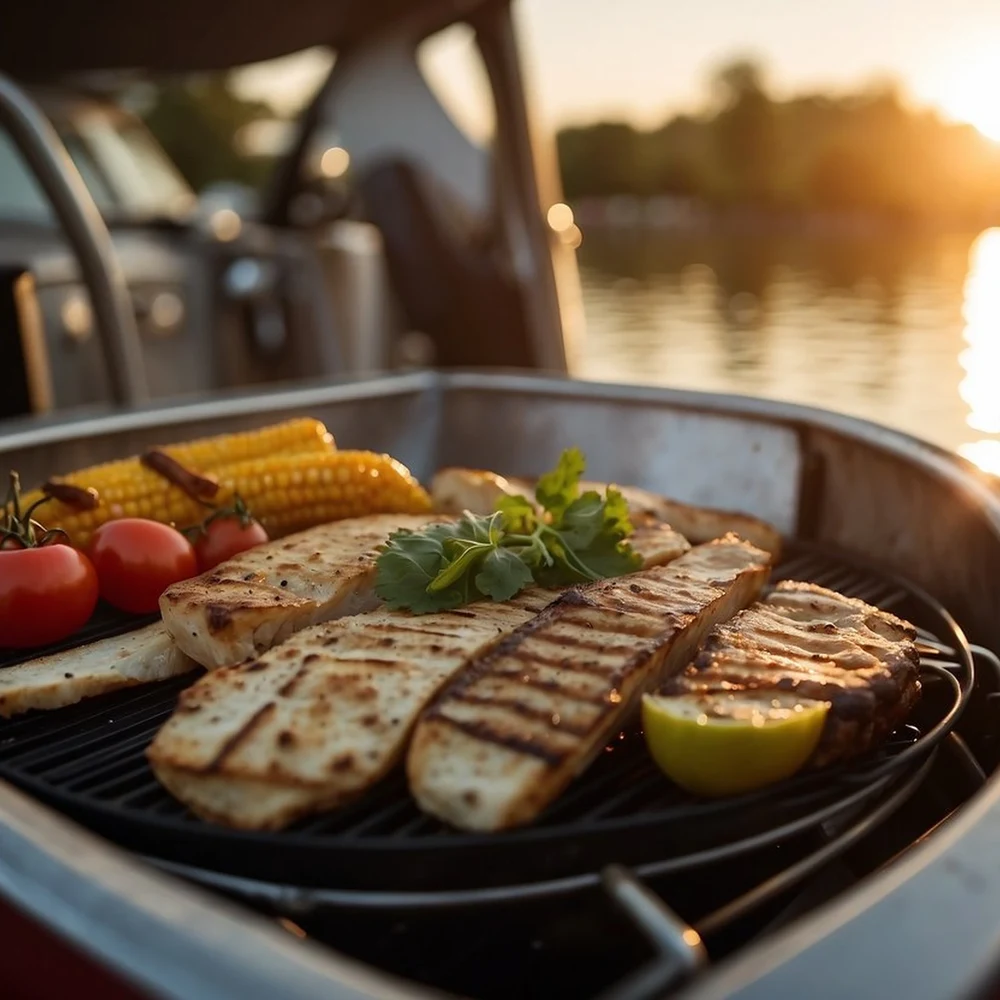
- Grilled fish with olive oil and lemon
- Light broths with herbs and carefully filtered, boiled seawater
- Raw-style preparations inspired by carpaccio or ceviche
- Fermented or pickled side elements that save space and last longer
Storage hacks and the psychology of meals at sea
Living on the water means every shelf, cooler, and container counts. Vacuum sealing, multi-use ingredients, and preserved foods make life easier, but the emotional side matters too. Shared meals create stability in an unstable environment. They help crews bond, reset, and enjoy the moment between routes, weather changes, and work.
Bright, acidic flavours like citrus are especially valued because they feel fresh and can even help when the sea gets uncomfortable. In that sense, food on board is not only practical—it is grounding.
Despite the challenges, most chefs who cook at sea would not trade that life for anything. A grilled fish at sunset, breakfast with dolphins in the distance, or a simple lunch in a quiet Adriatic bay becomes more than a meal. It becomes part of the journey itself.