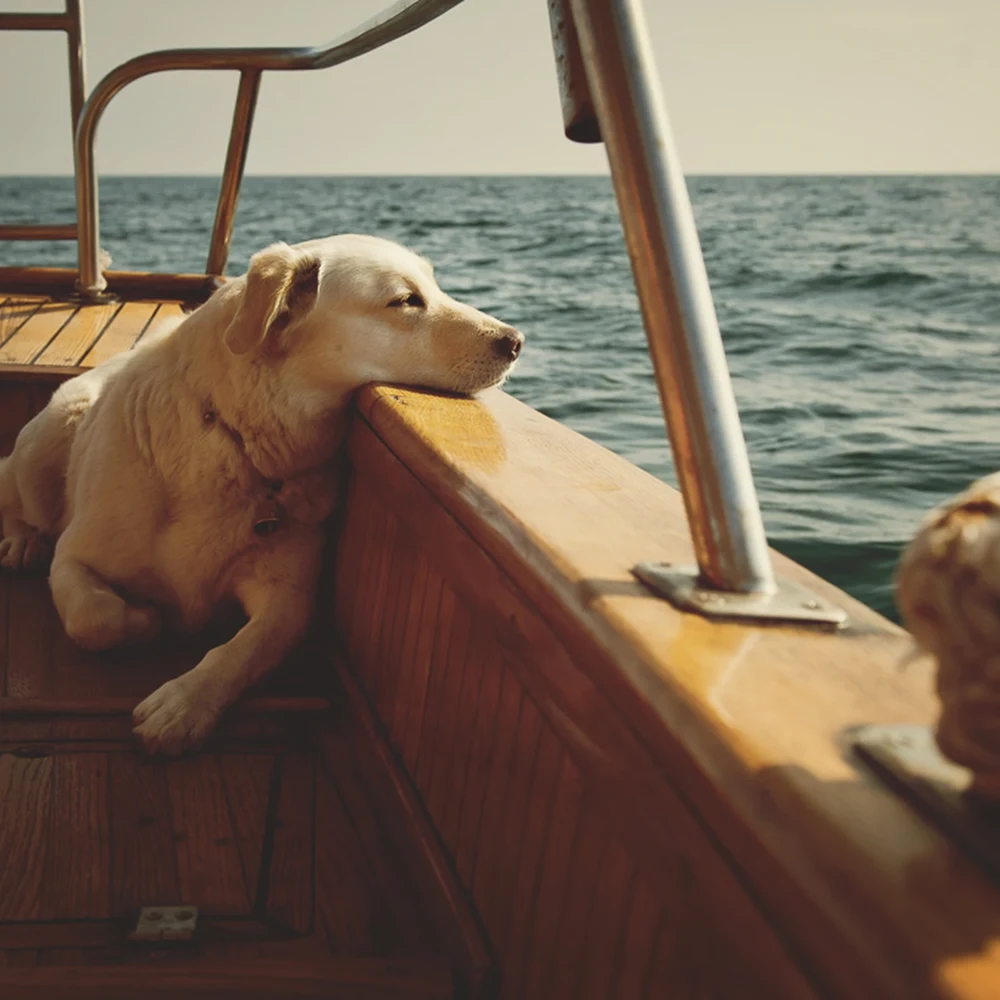
There’s a special kind of silence at sea—wind in the sails, water tapping the hull, and your dog or cat sitting proudly like they were born for it. Sailing with pets isn’t just a travel trend anymore. It’s a lifestyle that’s growing fast among cruisers, liveaboards, and adventure sailors.
But behind the cute Instagram moments is a real story: training, safety, adaptation, and some surprisingly wild animal instincts. Let’s dive into the world of life at sea with pets—facts, stories, and what experienced sailors wish they knew earlier.
Why pets adapt surprisingly well to boats
Most people assume animals hate boats. In reality, many adapt better than humans. Dogs and cats rely heavily on routine and territory, so a well-set-up boat can quickly become a floating home instead of a stressful unknown.
- Dogs and cats often respond well to stable daily routines
- A familiar sleeping spot and feeding area can speed up adaptation
- Motion sickness often fades after 2–7 days of adjustment
Many long-term cruisers say the same thing: their pet stopped reacting to the waves before they did.
The famous “boat dogs” and ship cats of history
Sailing with pets is not new at all—it goes back centuries. Dogs were kept on ships for rat control, morale, and even as informal storm alarms when their behaviour changed before rough weather. Cats earned their place too, especially on working vessels, where they protected food storage and settled naturally into life on board.
- Dogs have been present on ships since early exploration voyages
- Cats were valued for controlling rodents in harbours and on vessels
- Historical sea stories often mention animals staying calm during storms
Dogs, cats, and the first 72 hours at sea
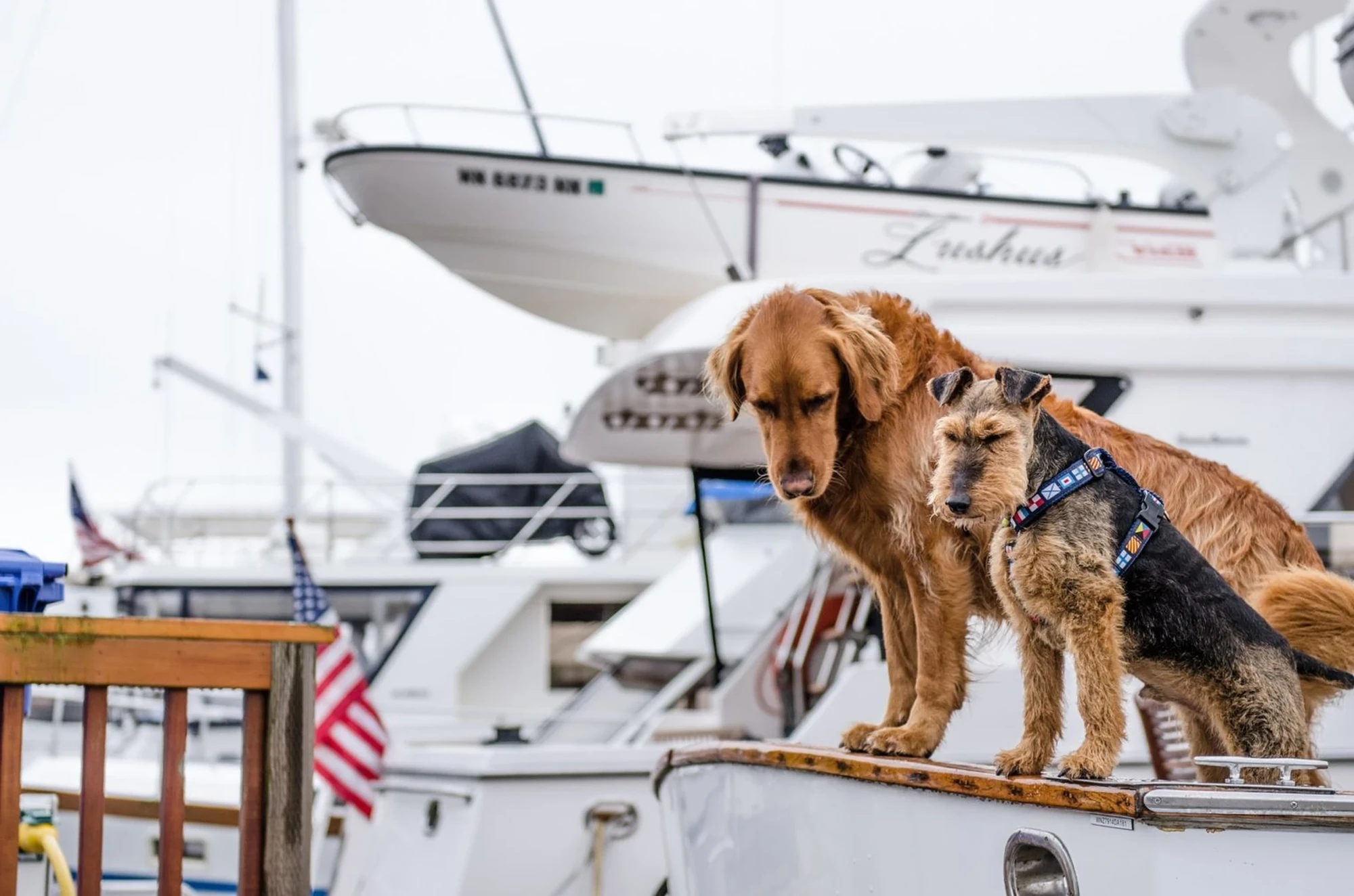
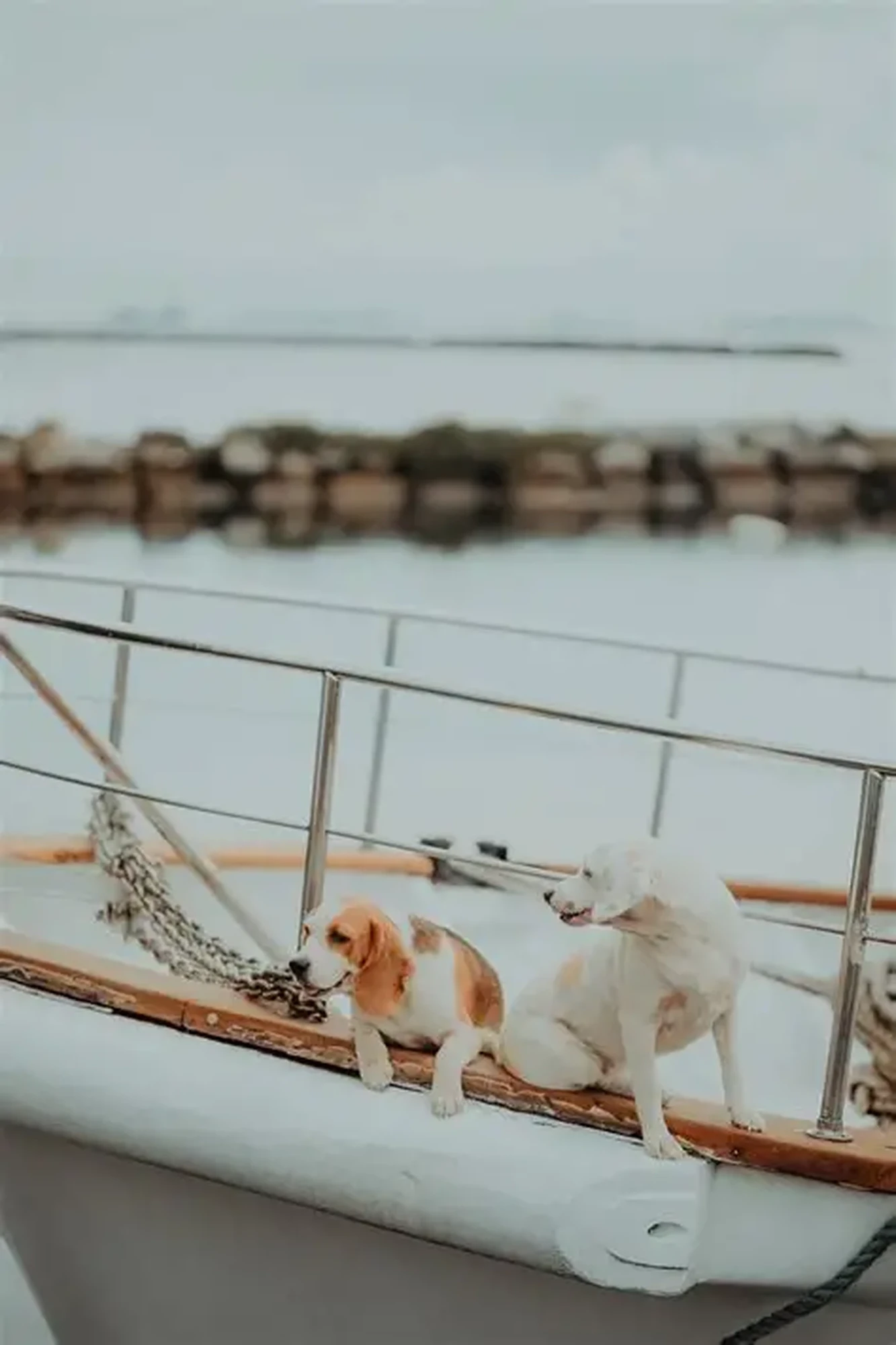
Today, dogs are the most common sailing pets, with Labradors, Jack Russells, Border Collies, and mixed rescue dogs all appearing often in cruising communities. Cats may be even better suited in some ways—they do not need walks, they adapt well to smaller spaces, and they naturally claim cabins as their own territory.
Almost every sailor agrees that the first few days are the hardest.
Day 1–2
- Confusion and overstimulation
- Possible motion sickness, especially with dogs
- Hiding, clinginess, or extra watchfulness
Day 3–4
- Exploration begins
- Pets start learning boat boundaries
- Routine becomes easier to maintain
Day 5–7
- Fuller adaptation
- A new rhythm is established
- The pet stops feeling like a passenger and becomes part of the crew
Strange but true stories from sailors
Some of the most memorable pet-at-sea stories sound almost unbelievable. Sailors often claim their dogs become restless hours before storms, long before radar or apps suggest a problem. In Mediterranean marinas, cats still unofficially help keep rodents away. There are even stories of dogs jumping into the water, swimming in circles, and returning only after hearing familiar whistles and calls from the crew.
Is sailing with pets worth it?
Yes—but not as a cute travel upgrade. It only works well when it is built on responsibility, training, patience, and respect for the animal’s limits. Once that happens, the boat slowly stops feeling like just your boat.
It becomes your floating home—with crew.